
Hurricane Garage Door Prep: St. Cloud FL Wind Code Guide
Hurricane garage door prep starts with one fact: your garage door is the largest and most vulnerable opening in your house during a hurricane — if it fails, wind pressurizes the interior and can lift the roof off. In St. Cloud, FL, preparing your garage door before hurricane season (June–November) is one of the highest-impact things a homeowner can do. Here’s what the Florida Building Code requires, when bracing is enough, and your 48-hour storm checklist.
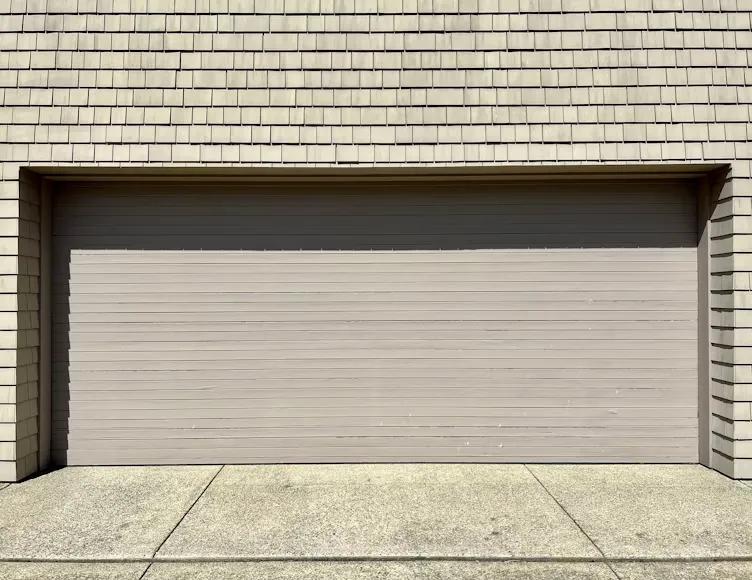
Why the Garage Door Is the Weak Link
It surprises most homeowners, but structural engineers have known it for decades: in hurricanes, the garage door fails first — which is exactly why hurricane garage door prep matters so much. Here’s the chain reaction:
- Wind breaches the garage door. A standard non-reinforced door bows inward under wind pressure and buckles.
- The garage pressurizes like a balloon. Wind rushing into the enclosed garage has nowhere to go — internal pressure spikes.
- The roof lifts from the inside. That internal pressure pushes up on the roof deck at the same time external wind is sucking at it from above. Research after major hurricanes consistently shows garage door failure as a leading cause of total roof loss.
This is why insurance companies and building codes treat the garage door as a structural component, not just a convenience. In Osceola County, it’s not optional equipment — it’s part of your home’s wind defense system.
Does St. Cloud Require Wind-Rated Garage Doors?
Short answer: new installations must meet Florida Building Code wind-load requirements, which for our area means doors rated for the design wind speeds of Osceola County. Here’s the nuance:
- St. Cloud is NOT in the High-Velocity Hurricane Zone (HVHZ) — that’s Miami-Dade and Broward counties, which have the strictest product-approval rules in the state. Don’t let anyone sell you HVHZ-certified doors at HVHZ prices as a “requirement” here.
- Homes inside St. Cloud city limits are in a wind-borne debris region under the Florida Building Code, because the city lists a 140 mph design wind speed. Outside the city, check with Osceola County. New garage doors must be rated for the design pressure on your permit. The City of St. Cloud lists a design wind speed of 140 mph, which places homes inside city limits in a wind-borne debris region under the Florida Building Code.
- Existing older doors are grandfathered — the code doesn’t force you to replace a working door. But grandfathered doesn’t mean safe: an older unreinforced door is exactly the kind that fails first.
- Insurance angle: many Florida insurers offer wind-mitigation credits for reinforced openings. A wind-rated garage door can genuinely lower your premium — ask your agent about a wind mitigation inspection.
Brace It or Replace It? Honest Cost Comparison
You have two paths to a storm-ready garage door. Which makes sense depends on your door’s age and condition:
| Option | Cost | Best for |
|---|---|---|
| Retrofit bracing kit (vertical/horizontal) | Ask for a quote | Newer doors in good condition |
| Wind-rated replacement door | New installed doors: $754–$1,707 nationally, average $1,231 (HomeAdvisor). Wind-rated doors can cost more. | Older doors that are rusted or already failing |
| Wind-rated + insulated replacement | Ask for a quote | Homes that want both upgrades at once |
When Bracing Is Enough
If your door is structurally sound — no rust-through, tracks straight, springs healthy — a retrofit bracing system adds the reinforcement it lacks. These kits add vertical or horizontal bracing that dramatically increases the door’s wind resistance. They’re a legitimate, code-recognized retrofit when installed correctly.
When Replacement Is Smarter
If your door is old, has rust-eaten bottom panels, or needs costly repairs anyway, bracing a dying door is throwing good money after bad. A proper hurricane garage door prep in that case means a new wind-rated door — which also lets you add insulation in the same job and resets the clock on springs, cables, and hardware.
💡 The Insurance Play
Florida’s wind mitigation inspection documents your home’s wind-resistant features for your insurer. Ask inspectors for their price. A wind-rated garage door is one of the checkboxes that can reduce your premium year after year — the door can literally pay for itself over time.
Hurricane Garage Door Prep: Your 48-Hour Checklist
A storm is coming. Add these hurricane garage door prep steps to your routine, in order:
⚠️ Never Open the Garage Door During the Storm
It seems counterintuitive, but opening the garage door to “equalize pressure” is a myth that destroys houses. Keep it closed, braced, and locked for the duration of the storm.
After the Storm: What to Check
- Visual inspection first: look for bent panels, bowed sections, or tracks pulled from the wall before operating the door.
- Run one slow cycle and watch for new noises, binding, or uneven movement — wind flexing can loosen hardware and shift tracks.
- Check the seals for wind-driven debris damage and the sensors for misalignment after vibration.
- If the door took a hit (flying debris, fallen branch), don’t force it — bent tracks and panels need professional straightening or replacement.
Get Your Door Storm-Ready Before Hurricane Season
Call (407) 674-3803 for a pre-season garage door inspection in St. Cloud — we’ll check bracing, seals, springs, and the emergency release so you’re ready when the warnings come.
Frequently Asked Questions
Do I need a hurricane-rated garage door in St. Cloud, FL?
New installations must meet Florida Building Code wind requirements for Osceola County — that code compliance is the backbone of hurricane garage door prep. Existing doors are grandfathered, but older unreinforced doors are the most likely part of your house to fail in a hurricane — bracing or replacement is strongly recommended.
Can I brace my existing garage door for hurricanes?
Yes — retrofit bracing kits are a legitimate option for newer doors in good structural condition. They must be installed to manufacturer specs. Rusted or failing older doors should be replaced instead.
What should I do with my garage door before a hurricane hits?
Good hurricane garage door prep means: test it, install bracing, check weather seals, verify the emergency release works, charge the battery backup, and then keep it closed and locked for the entire storm. Never open it during hurricane winds.
How much does a wind-rated garage door cost in Florida?
HomeAdvisor puts a new installed garage door at $754–$1,707 nationally (average $1,231). Wind-rated and insulated doors can cost more, so get a quote. A wind mitigation inspection may unlock insurance credits that offset the cost over time.
Will my insurance go down with a hurricane-rated garage door?
Often, yes. Florida insurers give wind-mitigation credits for reinforced openings. Get a wind mitigation inspection to document the upgrade for your carrier.
Don’t Wait for the Warning — Prepare Now
Don’t wait for the warning — proper hurricane garage door prep happens before June. Call (407) 674-3803 today and we’ll make sure your garage door is ready — bracing, seals, springs, and all.