
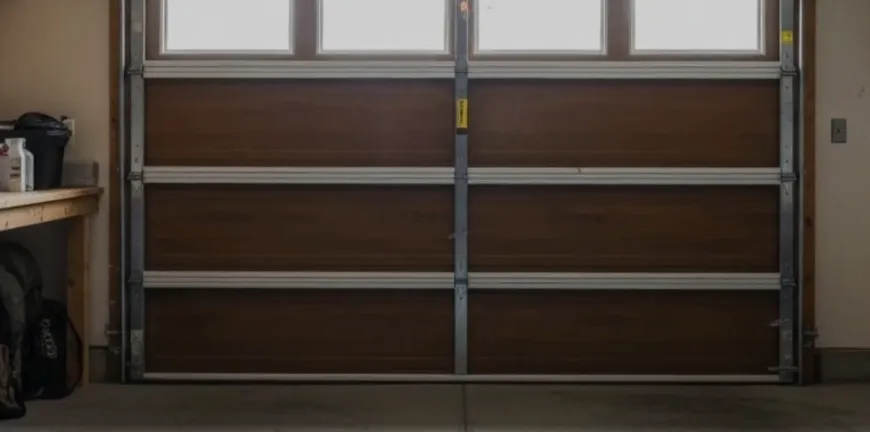
Garage Door Maintenance Checklist for Florida Homes
A short check twice a year can help your springs, rollers and opener last longer.
St. Cloud FL Garage Door Repair is a referral service. When you call, we connect you with an independent local garage door technician who confirms the final price and performs the work.
Florida heat, humidity and summer storms are hard on garage doors. A little regular garage door maintenance in St. Cloud helps prevent rust, noise and surprise breakdowns, and it lets you spot small problems before they become expensive repairs.
Maintain your garage door twice a year: look over springs and cables, lubricate springs, hinges and rollers with garage door lubricant, tighten loose bolts, clean the tracks, check the bottom seal, test door balance and test the auto-reverse. Leave spring and cable adjustments to a professional.
The 12-Step Checklist
- Watch and listen as the door opens and closes. Note jerks, grinding or scraping.
- Look at the springs for gaps, rust or stretched coils. Do not touch them.
- Check the cables near the bottom brackets for fraying.
- Lubricate springs, hinges and roller bearings with a garage door spray (not WD-40).
- Tighten hinge, bracket and track bolts with a socket wrench.
- Clean the tracks with a damp cloth. Do not grease the inside of the tracks.
- Inspect rollers for cracks or wobble. Nylon rollers are quieter.
- Test balance: disconnect the opener and lift the door halfway. It should stay put.
- Test auto-reverse with a roll of paper towels under the door.
- Clean the sensors and check both lights are solid.
- Check the bottom seal for cracks that let in rain and pests.
- Wash the door with mild soap and water to remove dirt and salt.
⚠️ Safety: Never adjust springs, cables or bottom brackets yourself. They are under high tension and can cause serious injury. The U.S. Consumer Product Safety Commission has garage door safety guidance.
Best Times to Do It in St. Cloud
| Season | Focus |
|---|---|
| Spring (April–May) | Full check before hurricane season, lubricate, tighten bolts |
| Summer | Watch for opener problems after lightning, keep sensors clean |
| Fall (October) | Post-storm inspection, check seals and panels |
| Winter | Listen for noise, check balance on cooler mornings |
💡 Tip: Write the date on a piece of tape inside the garage each time you do maintenance, so you always know when it is due.
When to Call a Professional
🌀 Broken or gapped spring
See spring repair.
🛤️ Door crooked or off track
See off-track repair.
👁️ Door keeps reversing
See sensor repair.
⚙️ Opener humming or dead
See opener repair.
Frequently Asked Questions
How often should a garage door be serviced?
Do a quick homeowner check twice a year and have a professional tune-up about once a year. In humid areas like St. Cloud, regular lubrication matters even more to prevent rust.
What lubricant should I use on my garage door?
Use a silicone or lithium-based spray made for garage doors. Avoid WD-40 as a long-term lubricant, and never grease the inside of the tracks.
Why is my garage door so loud?
Worn steel rollers, dry hinges, loose hardware and chain openers are the most common causes. Lubrication and nylon rollers usually make a big difference.
Can I do garage door maintenance myself?
Yes, for cleaning, lubrication, tightening accessible bolts and testing safety features. Spring, cable and bracket work should be left to a trained technician.
Prefer a Professional Tune-Up?
Call (407) 674-3803 and tell us what the door is doing. We connect you with an independent local technician as soon as one is available, and the technician confirms the price with you before any work starts.